

What is Astaxanthin?
Astaxanthin is a keloid carotenoid, chemically named 3,3'-dihydroxy-4,4'-diketo-β, β'-carotene, red solid powder, fat-soluble, insoluble in water, soluble in organic solvents. It is widely found in the biological world, especially in the feathers of aquatic animals such as shrimp, crabs, fish and birds, and plays a role in coloring.
Astaxanthin is a chain-breaking antioxidant. It has a strong antioxidant ability, can remove nitrogen dioxide, sulfide, disulfide, etc., can also reduce lipid peroxidation, and effectively inhibit lipid peroxidation caused by free radicals. At the same time, it has enhanced immunity, scavenged free radicals in the body and other physiological effects, and has broad application prospects in health care products, medicine, cosmetics, food additives, and aquaculture
In addition to the use of the biological extraction method to obtain astaxanthin, can also be used by chemical synthesis methods, can also use algae, bacteria, yeast, and other production. In addition, the application of DNA recombinant technology to build a high-yield astaxanthin genetic engineering is also under study.
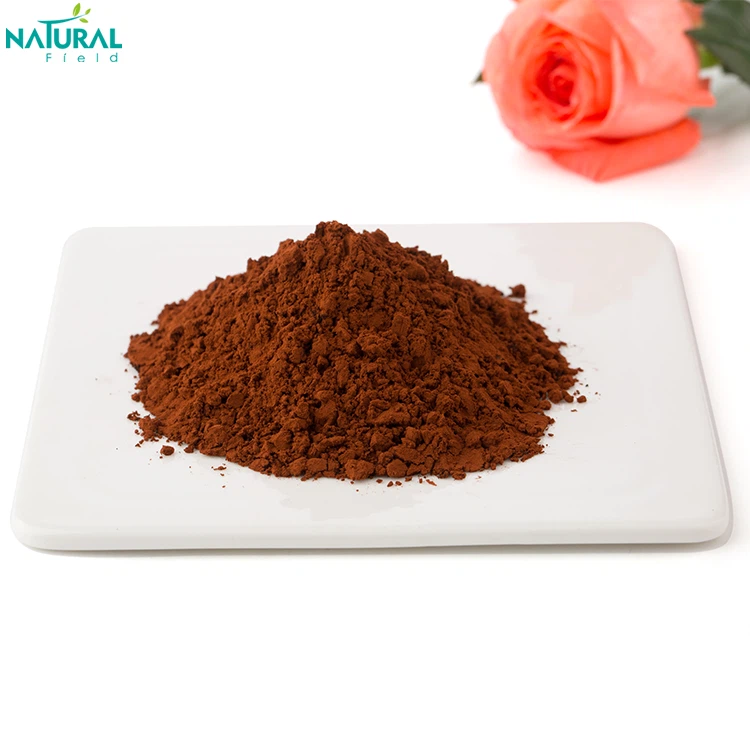
Astaxanthin Powder
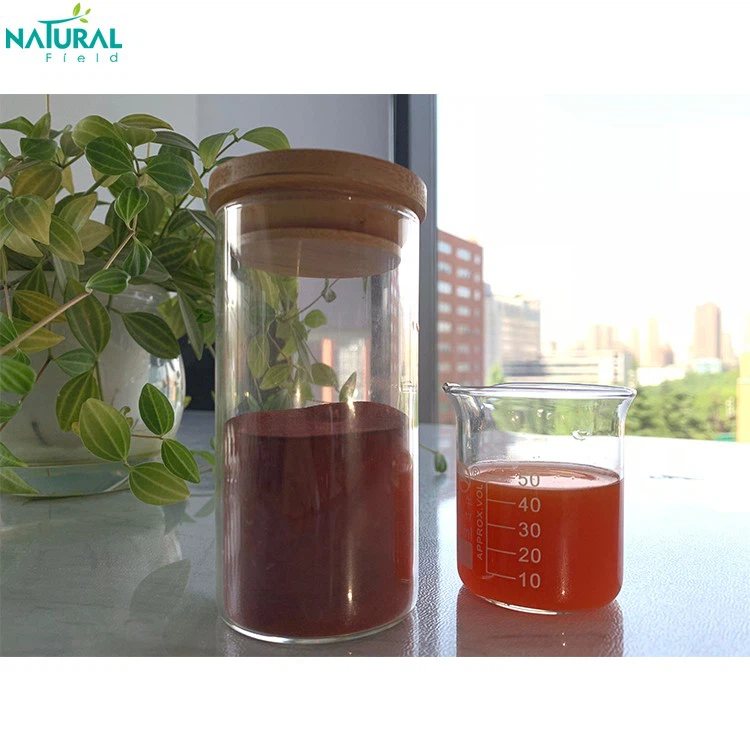
Astaxanthin Extract
What is the Astaxanthin mechanism of action?
Astaxanthin, also known as astaxanthin, shrimp xanthin. In 1933, a purple-red crystal was extracted from shrimp, crab and other aquatic products, and it was later determined that it was a carotenoid closely related to astaxanthin, so it was named astaxanthin. It is widely found in shrimp, crabs, fish, birds, certain algae and fungi. As a non-provitamin, A carotenoid type, astaxanthin in the animal body can not be converted to vitamin A, but has the same antioxidant effect as carotenoids, its ability to quench monomeric oxygen and capture free radicals is more than 10 times higher than β-carotene, more than 100 times stronger than vitamin E, people also call it "super vitamin E". Astaxanthin's antioxidant properties, coloring properties, and enhancement of the body's immunity have been widely recognized. The United States and other countries have been allowed to be used as food additives in production, as a natural food additive, has broad prospects for development.
Natural astaxanthin is a kind of carotenoid with strong antioxidant properties, which has the effect of antioxidants, anti-aging, preventing cardiovascular, and has been used internationally in health food, high-grade cosmetics, drugs, and other fields. Astaxanthin itself is not highly stable, easy to oxidize, easy to decompose when seeing light, and most of the market retains its activity in the form of astaxanthin gel.
Astaxanthin is produced by natural extraction and chemical synthesis. The chemical synthesis of astaxanthin and natural astaxanthin is significantly different in terms of structure, function, application, and safety, and their stability, antioxidant activity coloring are also significantly lower than natural astaxanthin, so large-scale production generally tends to be extracted from natural astaxanthin.
What are the benefits of Tomato Extract Lycopene?
Antioxidant
The important quality of astaxanthin lies in its antioxidant properties, it is an excellent antioxidant. Astaxanthin's strong antioxidant activity is due to its ability to stabilize the structure of the membrane, reduce membrane permeability, and limit the entry of peroxide promoters into cells. Protects important molecules within cells from oxidative damage. At the same time, astaxanthin may have the potential to become an oxidizing agent to induce the production of oxidative stress. The conjugated double bonds, hydroxyl groups and unsaturated ketone groups at the end of the conjugated double bond chain in astaxanthin molecules, wherein the hydroxyl and ketone groups constitute α-hydroxy ketones, these structures have a relatively active electronic effect, can provide electrons to free radicals or attract unpaired electrons of free radicals, effectively quench oxidizing unilinear reactive oxygen species and other free radicals in the environment. Studies have shown that the ability to quench reactive oxygen species increases with the increase of the number of conjugated double bonds, and astaxanthin's quenching ability is the strongest, and its ability to quench molecular oxygen is higher than that of β-carotene, vitamin E, α-carotene, lutein and lycopene with the same structure. Astaxanthin integrated into the membrane system inhibits lipid peroxidation through the protective effect on liposomes, and can also protect cells and DNA from oxidation reactions, protect proteins in cells, enable cells to effectively metabolize, and make proteins in cells better function. This antioxidant effect is manifested in prolonging the time during which low-density lipoprotein (LDL) is oxidized, thereby reducing the occurrence of atherosclerosis.
Strengthens immunity
Astaxanthin can significantly enhance the body's local and systemic immunity, this immunomodulatory property combined with antioxidant properties, in order to prevent the occurrence and spread of diseases play an important role. Experiments have shown that carotenoids can slow down the decline in immune capacity caused by aging, improve the function of immune organs in the body, and enhance resistance to harsh environments. More importantly, astaxanthin can enhance the function of T cells in the body, increase the number of neutrophils and natural killer cells, and participate in cellular immunity; Astaxanthin can also increase the vitality of B cells in the immune system, destroy pathogens of foreign invasion, play a role by assisting in the production of antibodies and improving the activity of other immune components, such as promoting the production of immunoglobulins, increasing the production of IgG (immunoglobulin G), IgA (immunoglobulin A) and IgM (immunoglobulin M), enhancing humoral immune response, and improving the immunity of animals.
Shading
Carotenoids are the main pigment substances in aquatic animals, and astaxanthin accounts for most of the carotenoids in aquatic animals, so it can be said that astaxanthin is the main pigment in aquatic animals. Astaxanthin is the end point of carotenoid synthesis, it can be stored in the tissue without modification or biochemical transformation after entering the animal body, with a strong pigment deposition ability, so that the skin and muscles of some aquatic animals appear healthy and bright color, so that the eggs and birds' feathers, skin, feet, items are healthy golden or red. Experiments have shown that the addition of astaxanthin to the feed not only makes the epidermal phosphorus of the fish turn yellow but also increases the content of astaxanthin in the muscles.
If you are interested in our products, pls send an email to info@natural-field.com, or submit your requirement in the bottom form, we are of service at any time!