


Liver Protection
Why Choose Us?
Rich Experience
Natural Field has been focusing on the R&D, production and sales of nutritional and healthy ingredients since 2005. Natural Field has become one of the preferred manufacturers of nutritional ingredients in the world.
Professional Technical Team
Shanghai R&D center has been collaborating with esteemed universities, research institutes and industry leaders. Its exceptional R&D team comprises over 50% postgraduate students, PhDs, and postdoctoral professionals.
Quality Guaranteed
Our product and quality control center is located in the CaoTang Industrial Park in Xi'an High-tech Zone, and is carried by the 10,000-grade clean room. All our products with the organic certification, Kosher certification, SC certification, ISO9001.
Broad Market
Our clientele includes renowned domestic and international brands like Nestlé, LG, and Jingjiu. Our ingredients are sold well in 86 countries including Europe, America, Japan, South Korea, and Southeast Asia. We have consistently been recognized as a top-tier supplier by industry associations for several consecutive years.
What is Dihydromyricetin?
Dihydromyricetin is a naturally occurring flavonoid found in the many plant species and is thought to be the active ingredient of several traditional Japanese, Chinese, and Korean medicines that are used to treat fever, parasite infections, liver diseases, and hangovers. Dihydromyricetin preparations have not been linked to instances of serum enzyme elevations or clinically apparent liver injury with jaundice.


1. DHM: The Antioxidant for Health and Wellness
Dihydromyricetin has excellent antioxidant activity, which offers several benefits.
DHM can scavenge free radicals. We know that excessive free radicals can cause cell damage and oxidative stress. Dihydromyricetin can react with free radicals and neutralize them.
Moreover, DHM can inhibit lipid peroxidation. Because the formation of lipid peroxides is prevented, the integrity of the cell membrane is protected.
In addition, Dihydromyricetin can upregulate the activity of antioxidant enzymes in the body. And then it can enhance the body's antioxidant defense ability.
2. DHM: The Natural Solution for Inflammation Relief
Extensive basic research and animal experiments have evidenced the anti-inflammatory effects of DHM. Clinical studies also provide compelling evidence of DHM's anti-inflammatory efficacy in humans.
Experimental evidence suggests that dihydromyricetin exerts its anti-inflammatory effects mainly through:
Inhibition of Inflammatory Mediator Production: DHM reduces the production of cytokines and other inflammatory mediators.
Regulation of Inflammatory Signaling Pathways: Dihydromyricetin modulates pathways such as NF-κB, which are crucial for the inflammatory response.
Inhibition of Inflammatory Cell Migration and Activation: DHM prevents the movement and activation of cells involved in inflammation.
3. DHM: Nature's Weapon Against Cancer
Multiple studies have shown that Dihydromyricetin can effectively inhibit the proliferation of various cancer cells in vitro, including liver cancer, breast cancer, gastric cancer, and lung cancer. In animal models, Dihydromyricetin has been proven to significantly suppress tumor growth. For instance, a study demonstrated that DHM significantly reduced tumor volume and weight in a mouse model of breast cancer while lowering tumor angiogenesis.
4. DHM: Nature's Defense for Liver Health
Dihydromyricetin is recognized for its potent antioxidant, anti-inflammatory, and antifibrotic properties, making it an effective liver-protective agent.
Dihydromyricetin has a strong antioxidant effect and can reduce the damage of oxidative stress to liver cells. In addition, DHM can inhibit the production of inflammatory mediators, reduce inflammatory response, and thus protect the liver.
Additionally, dihydromyricetin can inhibit the progression of liver fibrosis. It reduces the degree of liver fibrosis by reducing the deposition of collagen and the activation of hepatic stellate cells.
DHM also can promote the regeneration and repair of liver cells and enhance the self-repair ability of the liver.
5. DHM: A Natural Solution for Cardiovascular Health
Dihydromyricetin exhibits significant antithrombotic and lipid-lowering effects, which contribute to cardiovascular protection.
It can inhibit platelet aggregation and reduce the risk of thrombosis. In addition, DHM maintains the normal function of blood vessels by enhancing endothelial function, promoting vasodilation, and inhibiting vasoconstriction.

DHM is derived from fruit from the Japanese raisin tree (Hovenia dulcis), which is native to Japan, Korea and Southeast Asia and now commercially grown. It's been used in China for liver ailments for 500 years, but how the substance works is unclear.
Among other significant effects, the scientists found that DHM:
· Triggered the liver to produce more ethanol-gobbling enzymes, including alcohol dehydrogenase (ADH) and acetaldehyde dehydrogenase (ALDH).
· Boosted the efficiency of ADH and ALDH, enabling the enzymes to convert ethanol into simpler forms the body can eliminate easier.
· Reduced lipid (fat) accumulation in liver tissue. Heavy doses of alcohol can negatively affect the liver’s metabolism, leading to an accumulation of fat, increased stress and the eventual progression to liver diseases such as cirrhosis.
· Reduced inflammatory agents, called cytokines. Excessive alcohol leads to the release of cytokines in the liver, which contributes to cellular damage to the liver and other organs.
Does Dihydromyricetin Help with Sleep?
Consistently sleeping 5 hours or less per night will increase the development of various health issues. Dihydromyricetin (DHM) could reduce oxidative stress and promote longevity, but its effectiveness in alleviating sleep deprivation remains unclear. Thus, we established a sleep-deprived Drosophila model by prolonged illumination, named light-prolonged Drosophila (LPD), to explore this problem.
DHM enhanced the sleep quality of the LPD and expanded their lifespan, by reducing their nocturnal activities, decreasing intestinal epithelial cell mortality, and restoring glucose and glutathione levels. Transcriptome analysis and RT-qPCR results showed that DHM has the potential to modulate Drosophila's gut immunity and mitigate mitochondrial oxidative stress. Furthermore, we found that DHM can inhibit the expression of TIM, Pi3k, and TOR, then decrease Tsc1, while simultaneously promoting FoxO and Thor. In conclusion, DHM could be used as an effective intervention for enhancing sleep quality and counteracting the detrimental of sleep deprivation on lifespan.
How Do I Use It And The Best Time To Take Dihydromyricetin?
The best time to take DHM (dihydromyricetin) varies based on your reason of usage. If you're using it for drinking alcohol and hangover, it's best to take it before you go to bed at night.
Although still effective in the morning, it can do more work on your body while you sleep. If you're using it for exercise or endurance, it's best to take it 30 minutes to an hour before doing that activity.

Is It Safe to Take Dihydromyricetin Every Day?
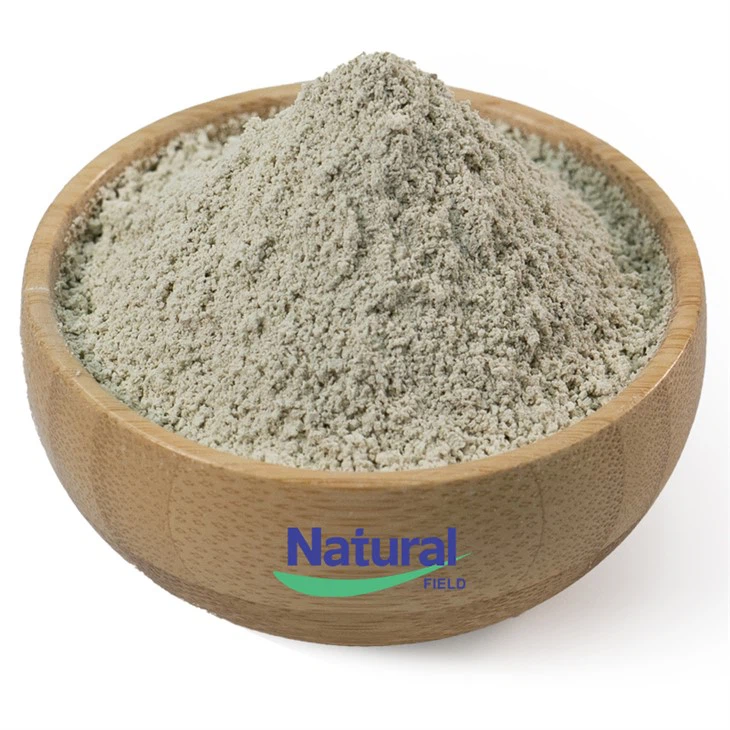
Dihydromyricetin (DHM) is a flavonoid found in many plants including Ampelopsis grossedentata (Chinese vine tea), Hovenia dulcis (Japanese raisin tree) and some pinus and Cedrus species. These herbal products are purported to be beneficial for cough, fever, colds, sore throat, vomiting, jaundice, nephritis, and hangovers. The suspected active ingredient is the flavonoid dihydromyricetin, purified preparations of which have been studied extensively in vitro and in vivo.
DHM is not approved for any use or disease in humans in the United States but is available in nutrition centers and on the internet. The typical dose in 300 to 1000 mg daily. The few studies of short term DHM therapy in humans reported no adverse events or evidence to toxicity to date. DHM is also a prominent component of several herbal medications including Japanese raisin tree and Chinese vine tea and is found in low concentrations in many plants, fruits and seeds.
Does Dihydromyricetin Impact on Alcohol Metabolism?
Dihydromyricetin (DHM), also known as ampelopsin, is a natural flavonoid compound, which is found in large quantities in Asian plant species. One of them – Hovenia dulcis – is known for centuries in traditional Chinese medicine as a cure for alcohol poisoning and hangover.
Dihydromyricetin, like other flavonoid compounds, is known for several effects on the human body. DHM has an anti-inflammatory, cardioprotective or dermaprotective effect. By affecting cholesterol metabolism, DHM inhibits the onset of atherosclerosis. Positive effects on insulin resistance are related to its ability to lower glucose levels in the blood. Thus, dihydromyricetin suppresses diabetic cardiomyopathy. And most importantly, DHM has been shown to provide significant hepatoprotective effects. Its positive influence on alcohol-induced and other liver diseases was suggested in the study of acute liver failure.


Dihydromyricetin Ameliorates Acute Liver Injury And Regulates Liver Regeneration
Acute liver failure is a rare and severe consequence of abrupt hepatocyte injuries, which is caused by a variety of insults to hepatocytes, such as drug toxicity (e.g., acetaminophen) and viral and autoimmune hepatitis. Carbon tetrachloride (CCl4)-induced hepatotoxicity is the most widely used rodent model of acute liver injury, accompanied by the suppression of antioxidant enzymes and regulatory factors, and the stimulation of inflammatory processes and liver regeneration.
In addition, DHM could attenuate CCl4-induced chronic liver injury through up-regulating the expression of pyroptosis-related molecules, such as caspase-1, NOD-like receptor family pyrin domain- containing 3 and gasdermin D.
What Is The Bioavailability Of Dihydromyricetin?
Bioavailability is a crucial indicator of absorption. It refers to the proportion of a substance absorbed into systemic circulation. In the case of DHM, we're looking at how much is absorbed into the bloodstream.
When you consume DHM by mouth—such as through capsules or beverages—very little is absorbed into the bloodstream where it can be used. DHM has about a 5% bioavailability, meaning for every 1,000 mg of DHM consumed, only around 50 mg enters the bloodstream.
DHM is widely considered a BCS Class IV compound. This means that DHM's bioavailability is limited by poor solubility (a substance's ability to dissolve into a solvent) and poor permeability (a substance's ability to transport across the gastrointestinal membrane through the cells and into the entire body).

Dihydromyricetin is an optically active form of dihydromyricetin having (2R,3R)-configuration. It has a role as a metabolite, an antioxidant and an antineoplastic agent. It is a secondary alpha-hydroxy ketone and a dihydromyricetin. It is an enantiomer of a (-)-dihydromyricetin.
Dihydromyricetin is under investigation in clinical trial NCT03606694 (Effect of Dihydromirycetin on Glycemic Control, Insulin Sensitivity and Insulin Secretion in Type 2 Diabetes Mellitus).
Dihydromyricetin is a naturally occurring flavonoid found in the many plant species and is thought to be the active ingredient of several traditional Japanese, Chinese, and Korean medicines that are used to treat fever, parasite infections, liver diseases, and hangovers. Dihydromyricetin preparations have not been linked to instances of serum enzyme elevations or clinically apparent liver injury with jaundice.
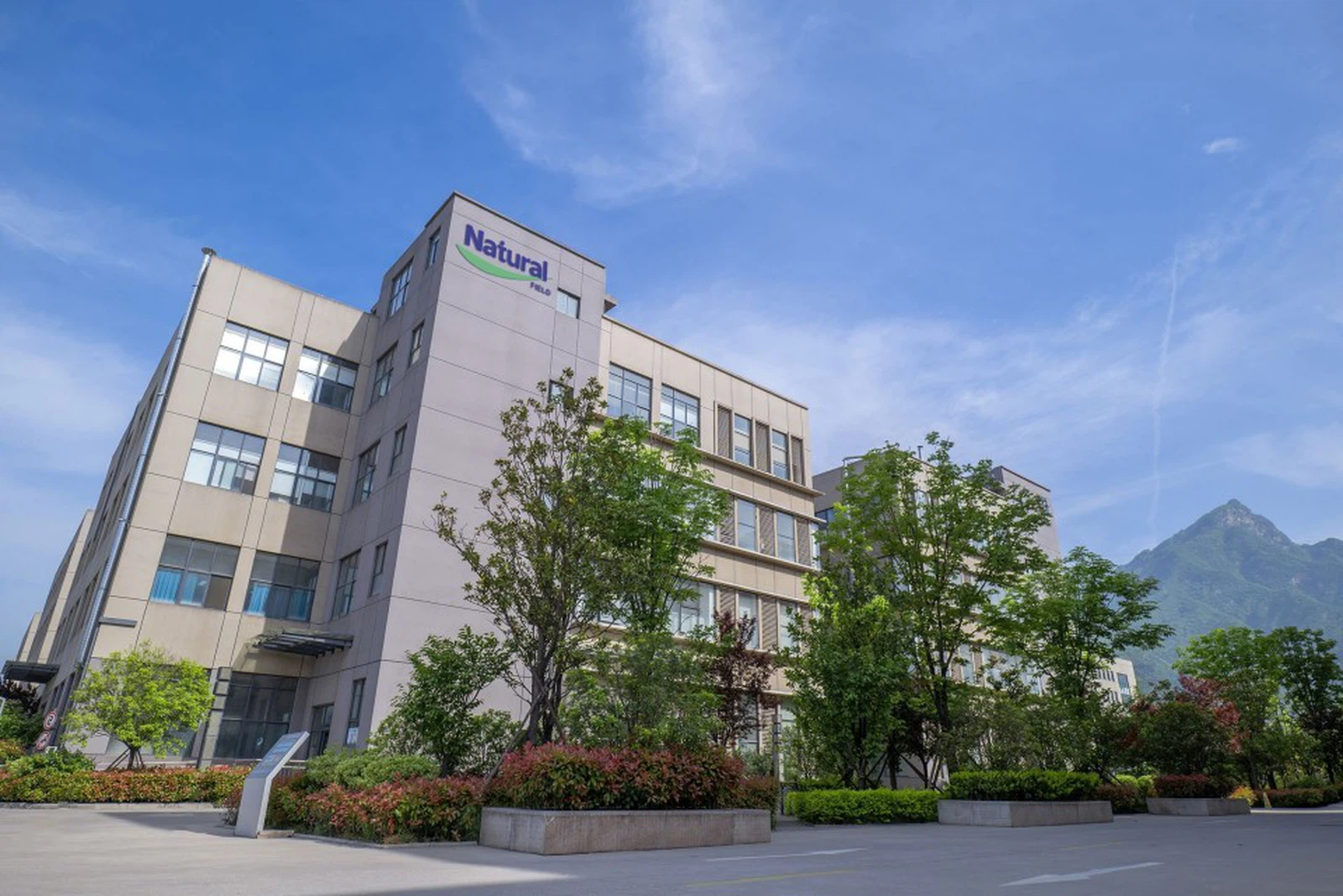
Our Factory
Natural Field Co., Ltd. has been focusing on the R&D, production and sales of nutritional and healthy ingredients since 2005. The increasing health awareness in the 1990s propelled the popularity of natural nutritional health products, leading to the rapid growth of the nutritional health ingredient industry. With an ultimate pursuit of quality, Natural Field's products have received unanimous praise from numerous customers at home and abroad for being "stable in quality and fast in delivery".


Ultimate FAQ Guide to Liver Protection
We're well-known as one of the leading liver protection manufacturers and suppliers in China. Please rest assured to buy bulk liver protection for sale here from our factory. Good service and competitive price are available.
dihydromyricetin powder, vine tea extract, dihydromyricetin