
Polyglutamic acid (γ-PGA) is a water-soluble, biodegradable, non-toxic biopolymer produced by microbial fermentation. It is a sticky substance that was first discovered in "natto", fermented beans. Polyglutamic acid was first found in Japanese natto food.
application fields:
I. Cosmetic grade, food grade: molecular weight 700,000;
Two, pharmaceutical grade: molecular weight 1 million;
Third, water treatment grade: molecular weight 1.5 million
IV, soil, plant regulator grade: molecular weight below 20,000 thousand.
01
Assay
≥70%,92%
02
Appearance
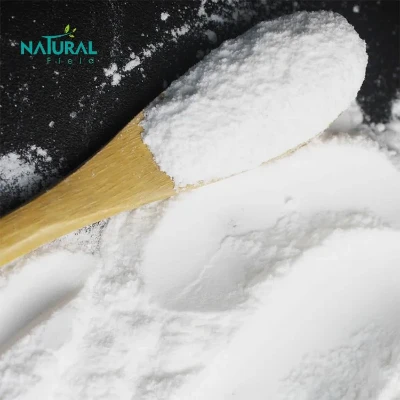
White powder
03
CAS No.
25513-46-6
04
Certificate
FSSC22000/HACCP/SKS/
ISO9001/
SC/ISO22000/
HALAL
The main contribution of polyglutamic acid in agriculture!
1, polyglutamic acid has a very good ability to lock water, can maintain moisture in the soil, for sandy soil can play a role in fertilizer and water retention, for sticky soil can play a role in loosening the role of air permeability, at the same time, polyglutamic acid can effectively prevent sulfate, phosphate, oxalate, etc. and calcium and magnesium and other heavy metal elements, to avoid the destruction of the root system, and at the same time to promote the absorption and use of fertilizers, to address the root causes of the Plant yellowing phenomenon, effective correction of leaf yellowing.
2, Polyglutamic acid is a kind of polyanion polymer, which can improve the cation exchange capacity of soil, gather the nutrients in soil, and counteract the loss of fertilizer efficiency due to leaching, denitrification and evaporation, so as to achieve the effect of increasing fertilizer efficiency.
3, Polyglutamic acid can coordinate the supply of crop nutrients, promote protein synthesis, to avoid malformed fruits and cracked fruits due to malnutrition and the use of hormones.
4, Polyglutamic acid molecule contains more than 1000 super hydrophilic groups (-COOH), which can fully retain water in the soil, improve the bulkiness and porosity of clay soil, and improve the fertilizer and water retention capacity of sandy soil. When it is used in flooded soil, it will form a film on the surface of plant root hairs to protect root hairs, which is the best delivery platform for soil nutrients and water to contact with root hairs, and effectively improves the dissolution, storage, delivery and absorption of fertilizers.
Especially in the arid and semi-arid areas where water is scarce, or drip irrigation and water-fertilizer integration are applied, the use of polyglutamic acid can greatly improve the utilization rate of water and fertilizer, keep the water and nutrients effectively distributed around the root system, and be absorbed and utilized by the plant more, and reduce the water and fertilizer loss caused by evaporation and seepage.
5, polyglutamic acid has a unique biostimulation function: scientific experiments have shown that: crop application of polyglutamic acid 5-7 days later, the leaves become green and thicker, and the growth of texture, upright, in 15 days when the root hairs will be developed by 15%, which can make the fertilizer utilization rate increased by 20%, an average yield increase of 10-25% of the crop, the root crops increased by more than 60%.
How about the market outlook of polyglutamic acid?
1,Polyglutamic acid improves the vitality of antioxidant enzymes, and improves the ability of plants to resist freezing.
2,Polyglutamic acid super hydrophilic and water retention capacity, fully maintain the water in the soil, thus improving the fluffiness and voidness of the sticky soil, can absorb 1182 times its own volume of water.
3,Polyglutamic acid balances the pH value of soil.
4,Polyglutamic acid can combine and precipitate toxic heavy metals.
5, Polyglutamic acid can enhance the plant disease resistance and resistance to adversity.
6, Increase production and quality at the same time can make tea, fruits, vegetables and other agricultural products rapid increase in yield.

Image from pixabay.com